There is a certain romance to solid wood. One species, all the way through, the way doors have been built for centuries. It is a fair instinct, and for a long time it was the only option. But if you have ever watched a beautiful solid wood door start to bow a season after you hung it, you already know the catch.
Engineered stiles and rails solve that problem without giving up the look. Here is an honest comparison of the two, so you can pick what actually fits your job instead of what sounds good on paper.
What “solid wood” really means
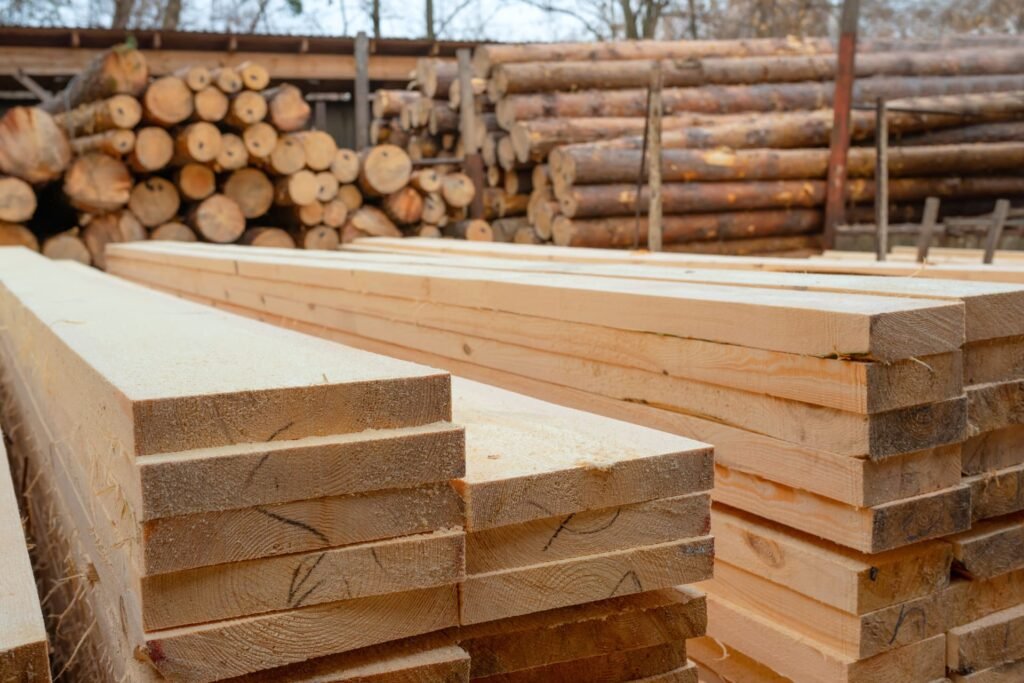
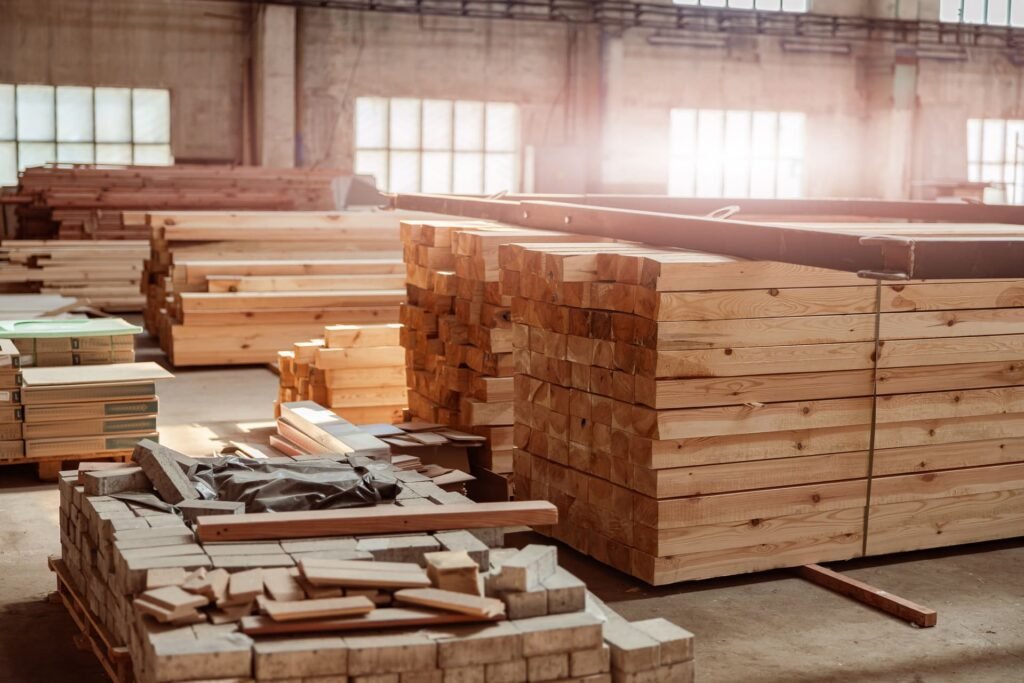
Solid wood stiles and rails are exactly what they sound like, milled from a single piece of lumber, one species front to back. The appeal is obvious. It is traditional, it is straightforward, and there is no arguing with the real thing.
The trouble is that wood never really stops moving. It expands and contracts with humidity, and over a tall vertical piece like a door stile, that movement adds up. Solid wood can cup, bow, or twist as the seasons change, especially in a climate that swings from dry winters to humid summers. It is not a flaw in the wood. It is just what wood does. The bigger the piece, the more room it has to misbehave.
What an engineered core does differently
An engineered stile or rail is built smarter. Instead of one solid piece, it uses a stable engineered core with a hardwood veneer bonded over it. The core is made to resist the movement that warps solid lumber, and the veneer gives you the exact species and grain you want on the surface where it shows.
So you get the look of real walnut, oak, cherry, or whatever species your job calls for, sitting on a foundation built to stay straight. The door you hang today still closes cleanly years from now, which is the whole point of a door.
It is the difference between a piece that fights the seasons and a piece that ignores them.
Where each one makes sense
To be fair to solid wood, it still has its place. For a short piece, a low-humidity environment, or a customer who specifically wants solid stock and understands the tradeoff, it can be the right call. Tradition counts for something, and some jobs ask for it.
But for most passage doors, especially the tall stiles that have the most room to move, engineered is the practical winner. You get the appearance you wanted, better long-term stability, and fewer callbacks down the road. For a professional shop, fewer warped doors coming back is worth a lot more than the bragging rights of solid stock.
Looks the same, behaves better
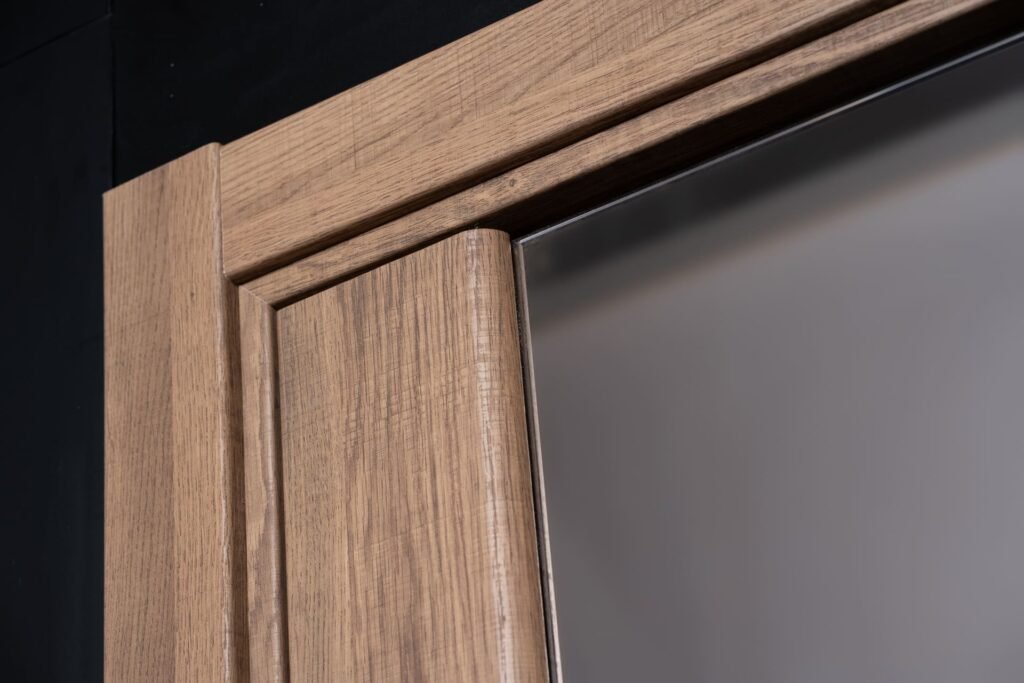
Here is the part that surprises people. A well-made engineered stile with a quality hardwood veneer looks just like solid wood once it is finished. Your customer sees the grain and the species they picked. What they do not see is the smart core underneath doing the quiet work of keeping everything straight. The compliment goes to the wood. The credit goes to the build.
How we make ours
We mill passage door stiles and rails on a stable engineered core with a hardwood veneer, in the species, thickness, width, and length your job calls for. You pick the look, we handle the stability, and you get parts that are ready to assemble and finish.
Ready to order?
Tell us your species and sizes and we will get a clear bid back to you fast, shipping included.
Stiles & Rails manufactures passage door stiles and rails in Billings, Montana, milled to your spec and shipped where you need them.